
Do I Need Special Insurance for a Food Truck Business?
Indotribun.id – Do I Need Special Insurance for a Food Truck Business? The tantalizing aroma of gourmet tacos, the sizzle of perfectly grilled burgers, and the convenience of grabbing a quick, delicious meal on the go – these are just a few reasons why food trucks have become a culinary sensation. But behind the appealing facade lies a complex business operation with unique risks. One of the most critical aspects of running a successful and legally compliant food truck business is ensuring you have the right insurance coverage. So, the question isn’t if you need special insurance, but what kind and how much.
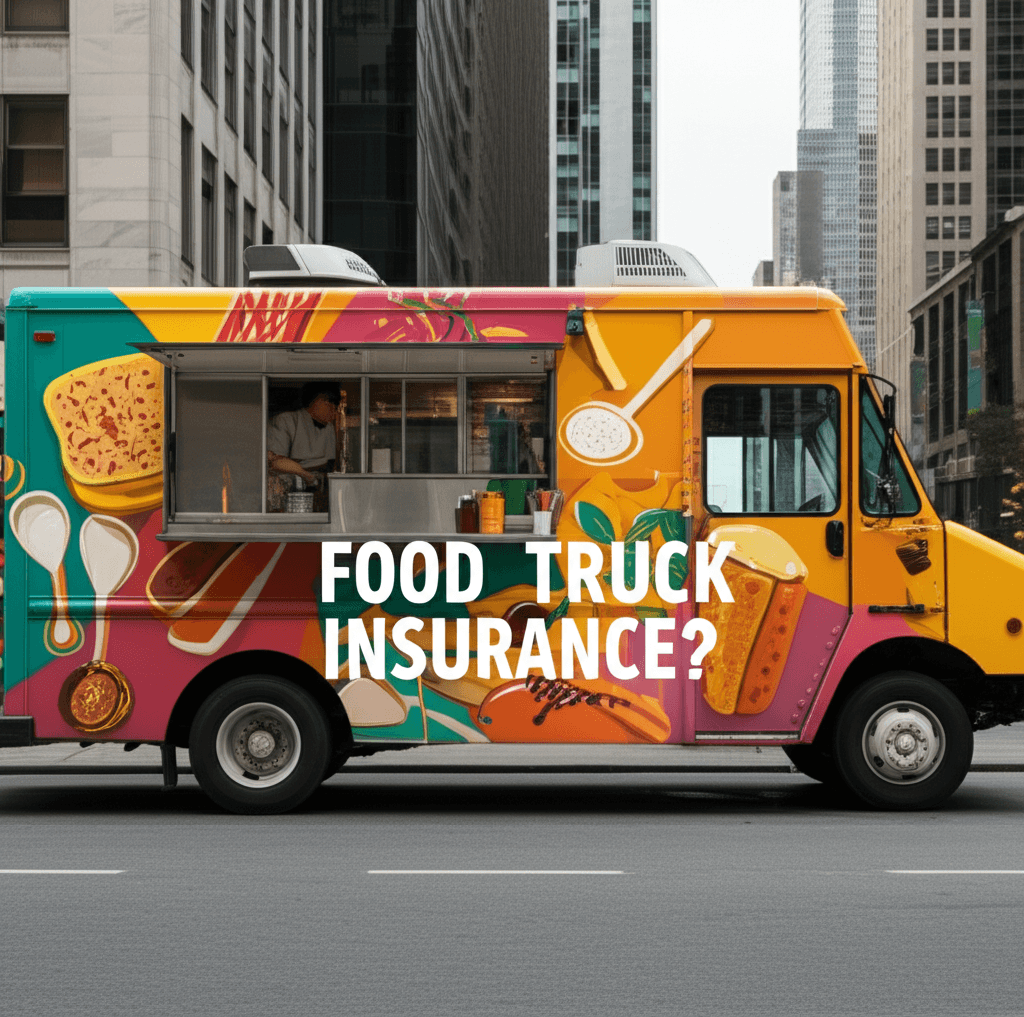
Operating a food truck is significantly different from running a traditional brick-and-mortar restaurant. Your kitchen is mobile, your location changes, and you’re constantly exposed to the elements and the public. This mobility and public interaction dramatically increase your risk profile, making standard business insurance policies inadequate. You absolutely need specialized insurance to protect your investment, your employees, and yourself.
Why Standard Insurance Isn’t Enough
A general business insurance policy, while helpful for some businesses, typically doesn’t cover the specific liabilities associated with a food truck. Think about it: you’re driving a large vehicle laden with propane tanks, hot cooking equipment, and perishable food. A collision, a grease fire, or foodborne illness can all lead to significant financial losses and potential lawsuits. Standard policies often lack the necessary coverage for these scenarios.
Essential Insurance Types for Food Truck Businesses
Here’s a breakdown of the most crucial types of insurance you’ll need to consider:
- Commercial Auto Insurance: This is non-negotiable. Your food truck is a vehicle, and you need coverage for accidents, property damage, and bodily injury caused by your vehicle. Because it’s a commercial vehicle, personal auto insurance won’t cut it. This policy should cover liability, collision, and comprehensive damages. Consider factors like your driving record, the size of your truck, and the distances you travel when determining your coverage limits.
- General Liability Insurance: This protects your business from claims of bodily injury or property damage caused by your operations. Imagine a customer slipping and falling near your truck, or your generator causing a power surge that damages a nearby building. General liability covers the associated medical expenses, legal fees, and repair costs.
- Workers’ Compensation Insurance: If you have employees, this is legally required in most states. It covers medical expenses and lost wages for employees who are injured or become ill while on the job. Food truck work is physically demanding, and the risk of burns, cuts, and slips is high. Workers’ compensation protects both you and your employees.
- Product Liability Insurance: This is crucial for any business that sells food. It protects you from claims arising from foodborne illnesses or allergic reactions caused by your products. Even with the strictest food safety protocols, accidents can happen. Product liability insurance can cover medical bills, legal fees, and settlements if a customer becomes ill from your food.
- Commercial Property Insurance: This covers damage to your food truck and its contents, including cooking equipment, inventory, and supplies, from events like fire, theft, vandalism, or natural disasters. Depending on your policy, it might also cover losses due to spoilage if your refrigeration equipment fails.
- business Interruption Insurance: If a covered event, like a fire, forces you to temporarily shut down your business, this insurance can help cover your lost income and operating expenses. It can be a lifesaver while you’re getting back on your feet.
- Cyber Liability Insurance: While seemingly less relevant, consider this if you take online orders or store customer data digitally. A data breach can expose sensitive information and lead to lawsuits.
Factors Affecting Insurance Costs
The cost of your food truck insurance will vary depending on several factors, including:
- Your location: Insurance rates vary by state and even by city.
- The type of food you serve: High-risk foods, like raw seafood, may increase your rates.
- Your truck’s value: The more expensive your truck and equipment, the higher your premiums will be.
- Your driving record: A history of accidents or traffic violations will increase your rates.
- Your claims history: Past claims will likely lead to higher premiums.
- Your coverage limits: Higher coverage limits will result in higher premiums.
- Number of employees: More employees increases risk and worker’s comp costs.
Getting the Right Coverage
The best way to determine the specific insurance you need is to consult with an insurance agent who specializes in food truck businesses. They can assess your risks and recommend the appropriate coverage. Shop around and compare quotes from multiple insurers to find the best rates and coverage options. Don’t just focus on the price; consider the insurer’s reputation, customer service, and claims-handling process.
Don’t gamble with your livelihood. Investing in the right insurance is an essential part of protecting your food truck business and ensuring its long-term success.
FAQ
Q: How much does food truck insurance typically cost?
A: The cost varies widely, but you can expect to pay anywhere from $1,500 to $5,000 per year or more, depending on the factors mentioned above.
Q: Can I get insurance that covers my food truck at events?
A: Yes, you can get event-specific insurance or add endorsements to your existing policy to cover events. Make sure to review your policy details and notify your agent to ensure you have proper coverage for events.
Q: What happens if I drive my food truck without insurance?
A: Driving without insurance is illegal and can result in fines, license suspension, and even jail time. You’ll also be personally liable for any damages or injuries you cause in an accident.

Comment