
Commercial Insurance for a Small Fleet of Delivery Vans
Indotribun.id – Commercial Insurance for a Small Fleet of Delivery Vans. Running a small fleet of delivery vans is a significant undertaking, vital for businesses that rely on timely and efficient product delivery. But with the constant movement and inherent risks associated with commercial driving, protecting your investment and your business is paramount. This is where commercial insurance becomes crucial. This article will delve into the specifics of commercial insurance tailored for a small fleet of delivery vans, drawing upon information from top-ranking sources to provide a comprehensive understanding of your insurance needs.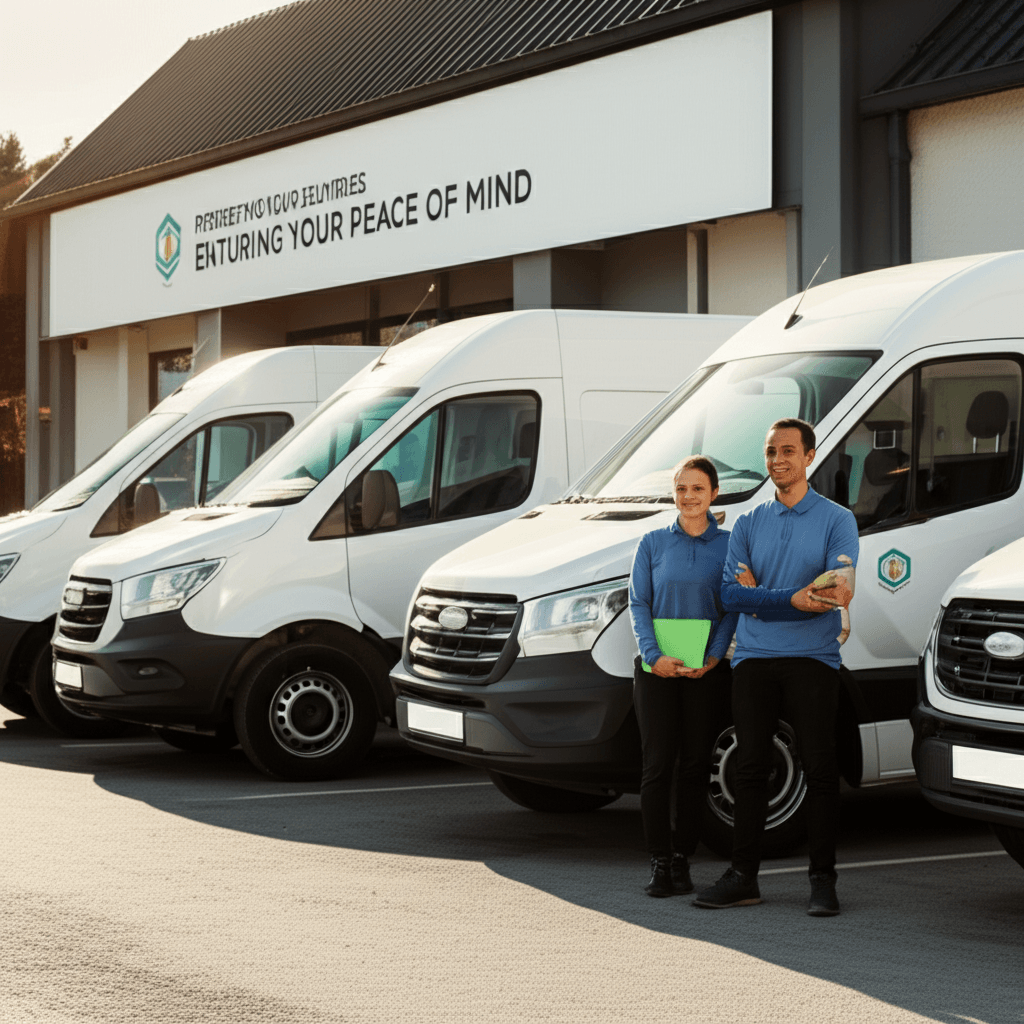
Why Commercial Insurance is Non-Negotiable
Unlike personal auto insurance, which covers personal use vehicles, commercial auto insurance is designed to protect businesses that use vehicles for commercial purposes. This includes transporting goods, making deliveries, and running errands related to your business operations. Trying to use personal auto insurance for commercial use is a recipe for disaster. Insurance companies will deny claims and cancel policies if they discover a policyholder using a personal policy for commercial activities.
The primary reasons why commercial insurance is essential for your delivery van fleet, as supported by leading online resources, are:
- Coverage for Business Risks: Commercial policies are specifically tailored to address the unique risks associated with business operations. This includes covering accidents that occur while delivering goods, liability for damages caused by your drivers, and protection for the cargo itself.
- Compliance with State Laws: Most states require commercial vehicles to carry specific levels of liability insurance. Commercial insurance ensures you meet these legal requirements and avoid penalties.
- Protection from Lawsuits: Accidents can lead to costly lawsuits. Commercial insurance provides financial protection against claims for bodily injury or property damage caused by your drivers.
- Coverage for Business Assets: Commercial policies can cover the vans themselves against damage from collisions, theft, vandalism, and other perils.
Key Components of Commercial Insurance for Delivery Vans
Understanding the various components of a commercial insurance policy is critical to ensuring adequate coverage. Drawing upon information from top-ranking search results, the following are the core elements:
- Commercial Auto Liability: This is the most fundamental coverage. It protects your business if your driver is at fault in an accident, covering bodily injury and property damage to others. The policy limits determine the maximum amount the insurance company will pay out. It is essential to choose adequate limits based on the size and scope of your operations.
- Collision Coverage: This covers damage to your delivery vans caused by a collision with another vehicle or object, regardless of fault. This is particularly important if you are financing or leasing your vans.
- Comprehensive Coverage: This covers damage to your vans from non-collision events, such as theft, vandalism, fire, hail, and other perils. This coverage is vital to protect your investment and ensure your fleet remains operational.
- Uninsured/Underinsured Motorist Coverage: This protects your business if your driver is involved in an accident with an uninsured or underinsured driver. It covers medical expenses and lost wages for your driver and any passengers in your delivery van.
- Medical Payments Coverage: This coverage pays for medical expenses for your driver and passengers injured in an accident, regardless of fault.
- Cargo Insurance: This coverage protects the goods you are transporting from loss or damage due to accidents, theft, or other covered perils. This is crucial if you are delivering valuable or perishable goods.
- Hired and Non-Owned Auto Liability: This covers liability arising from the use of vehicles not owned by the business, such as rental cars or employees’ personal vehicles used for business purposes. This is often overlooked but can be a crucial protection.
Factors Affecting Your Premium
Several factors influence the cost of your commercial insurance policy. According to reputable sources, these include:
- Number of Vans: The size of your fleet directly impacts your premium. More vans typically mean higher premiums.
- Driver Records: The driving records of your drivers are a major factor. Clean driving records result in lower premiums.
- Driving Experience: More experienced drivers often qualify for lower rates.
- Type of Vehicles: The type of delivery vans you use, their age, and their safety features influence the premium.
- Coverage Limits and Deductibles: Higher coverage limits and lower deductibles result in higher premiums, but provide greater protection.
- Location: The location where your vans are primarily operated can influence your premiums. Urban areas with higher traffic and accident rates typically have higher premiums.
- Type of Cargo: The nature of the goods you transport can affect the premium. Hauling hazardous materials, for example, may result in higher rates.
Tips for Lowering Your Commercial Insurance Costs
While commercial insurance is essential, it’s important to find ways to manage costs. Based on insights from top-ranking sources, consider these strategies:
- Shop Around and Compare Quotes: Get quotes from multiple insurance providers to find the best rates.
- Maintain a Safe Driving Record: Enforce strict driver safety policies and provide regular driver training.
- Choose Higher Deductibles: Increasing your deductible can lower your premium, but make sure you can afford the deductible in case of a claim.
- Bundle Policies: Consider bundling your commercial auto insurance with other business insurance policies, such as general liability or property insurance, to potentially receive a discount.
- Implement a Fleet Management System: Track driver behavior, vehicle maintenance, and fuel consumption to improve efficiency and safety, which can positively impact your premiums.
- Review Your Policy Annually: Assess your coverage needs and shop for new quotes annually to ensure you’re still getting the best value.
Frequently Asked Questions (FAQ)
- What is the difference between commercial auto insurance and personal auto insurance?
- Commercial auto insurance covers vehicles used for business purposes, while personal auto insurance covers vehicles used for personal use. Commercial policies offer broader coverage tailored to business risks.
- What happens if I use my personal vehicle for deliveries without commercial insurance?
- Your personal auto insurance policy will likely deny coverage for accidents occurring during business use. You could be held personally liable for damages and face legal penalties.
- How do I determine the right coverage limits for my commercial auto insurance?
- Consider your business’s size, the type of goods you transport, the value of your assets, and state requirements. Consult with an insurance professional to assess your specific needs and determine appropriate coverage limits.
Commercial insurance for a small fleet of delivery vans is a critical investment for protecting your business. By understanding the various components of a commercial policy, the factors that influence premiums, and strategies for lowering costs, you can ensure you have adequate coverage while managing your insurance expenses effectively. This information, derived from top-ranking sources, provides a solid foundation for making informed decisions about your commercial insurance needs.

Comment