
How to Insure a Classic or Antique Car with Agreed Value Coverage
Indotribun.id – How to Insure a Classic or Antique Car with Agreed Value Coverage. Owning a classic or antique car is a passion that transcends mere transportation. These vehicles are often more than just machines; they are rolling pieces of history, carefully restored and cherished. When it comes to protecting your prized possession, standard auto insurance policies simply won’t cut it. This is where agreed value coverage becomes essential for classic and antique car owners. Understanding how this specialized insurance works is key to ensuring your investment is adequately protected.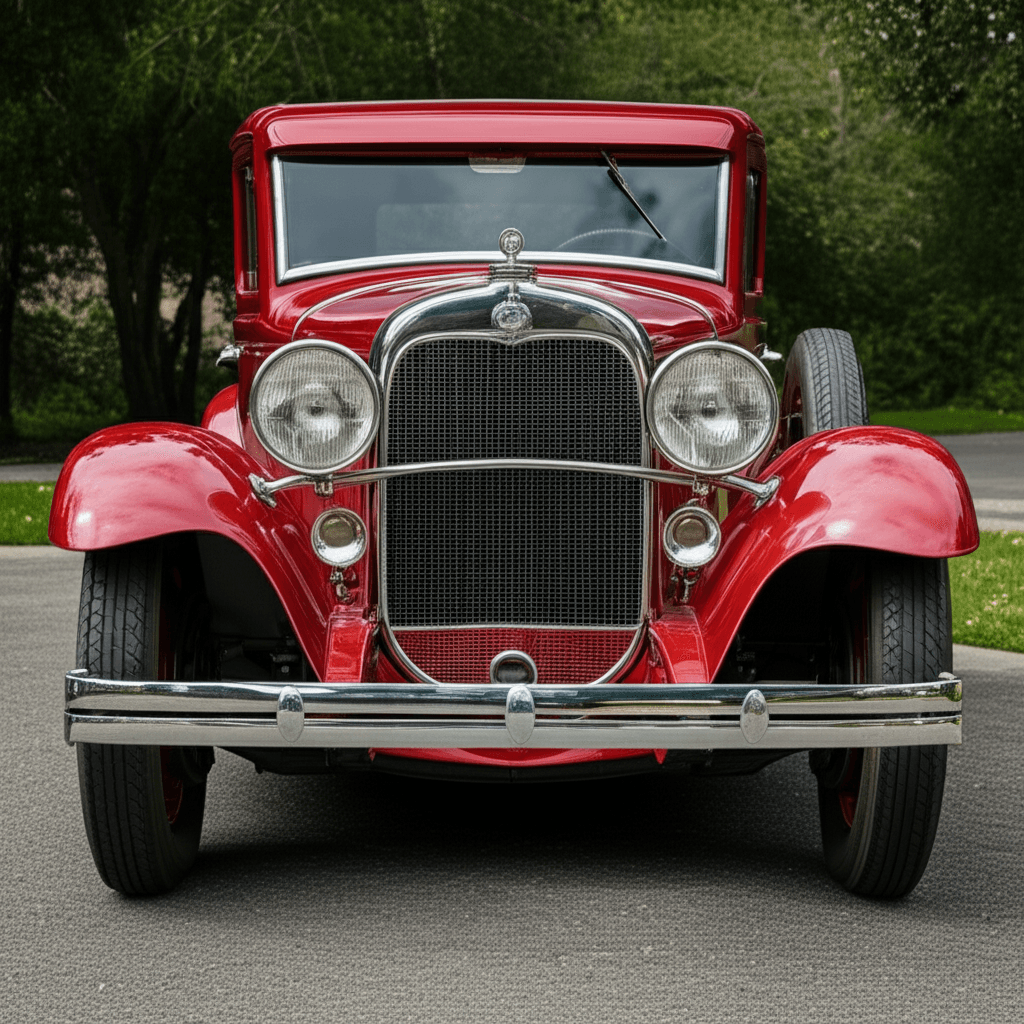
The Limitations of Standard Auto Insurance
Traditional auto insurance policies typically operate on a “Actual Cash Value” (ACV) basis. This means that in the event of a total loss (theft or irreparable damage), the insurance company will pay out the current market value of your car, minus depreciation. For a classic or antique car, this is a significant problem. While your meticulously maintained vintage beauty might be worth a considerable sum to you and the collector market, its ACV, calculated by an insurer unfamiliar with the nuances of classic car values, could be drastically underestimated. This could leave you with a payout far below what it would cost to replace or restore your beloved vehicle.
Unveiling Agreed Value Coverage
Agreed value coverage offers a stark contrast. Instead of relying on depreciation, you and your insurance provider mutually agree on a specific value for your classic or antique car. This agreed-upon amount is clearly stated on your policy. If your vehicle is declared a total loss, the insurance company will pay you the full agreed-upon value, regardless of its depreciated market value. This provides unparalleled peace of mind, knowing that your investment is protected at a level that accurately reflects its true worth.
The Process of Securing Agreed Value Coverage
Insuring a classic or antique car with agreed value coverage involves a slightly different process than obtaining a standard auto policy. Here’s a breakdown of the typical steps:
- Determine Your Car’s Value: This is the most crucial step. Research is paramount. Consult classic car valuation guides, auction results, and specialized classic car appraisal services. Consider the make, model, year, condition, originality, mileage, and any unique features or historical significance of your vehicle. Don’t forget to factor in the cost of any restoration work or upgrades you’ve made.
- Find a Specialized Insurer: Not all insurance companies offer agreed value coverage for classic and antique cars. You’ll need to seek out insurers that specialize in this niche market. These companies understand the unique needs of classic car owners and have the expertise to accurately assess and value these vehicles. Look for companies with a strong reputation and positive reviews within the classic car community.
- Undergo an Appraisal: Most specialized insurers will require a professional appraisal of your vehicle. This appraisal will be conducted by an independent expert who will assess the car’s condition, originality, and market value. The appraiser’s report will be a key document in establishing the agreed-upon value. Be prepared to provide detailed documentation of your car’s history, maintenance records, and any restoration receipts.
- Policy Review and Negotiation: Once the appraisal is complete, you’ll present it to the insurance company. You’ll then discuss and negotiate the final agreed-upon value. It’s important to be transparent and provide all relevant information to ensure the agreed value accurately reflects your car’s worth.
- Understand Policy Limitations and Requirements: Agreed value policies often come with specific limitations and requirements. These may include:
- Limited Usage: Classic car insurance typically restricts the vehicle’s use to pleasure, shows, and parades. Daily commuting or commercial use is usually prohibited.
- Mileage Restrictions: Many policies have annual mileage limits to ensure the car is not being used as a daily driver.
- Storage Requirements: Your classic car may need to be stored in a secure garage or other appropriate facility when not in use.
- Driver Qualifications: Insurers may have age or driving record requirements for drivers of classic cars.
Benefits of Agreed Value Coverage
The advantages of agreed value coverage for your classic or antique car are substantial:
- Accurate and Fair Payout: In the event of a total loss, you receive the full pre-determined value, ensuring you can replace or restore your car without financial hardship.
- Peace of Mind: Knowing your cherished vehicle is protected at its true worth provides immense peace of mind.
- Tailored Coverage: Specialized insurers understand the unique needs of classic car owners and offer policies that are specifically designed for them.
- Preservation of Value: Agreed value coverage helps preserve the financial value of your investment in your classic car.
Frequently Asked Questions (FAQ)
Q1: How often do I need to get my classic car appraised for agreed value coverage?
While not always a strict requirement for renewal, it’s highly recommended to have your classic car professionally appraised every 3-5 years, or whenever significant restoration work or modifications are completed. Market values for classic cars can fluctuate, and regular appraisals ensure your agreed value remains accurate and reflective of its current worth. Some insurers may require an updated appraisal if the car’s value has significantly increased.
Q2: Can I get agreed value coverage if my classic car is a daily driver?
Generally, no. Agreed value coverage for classic and antique cars is specifically designed for vehicles that are not used as daily drivers. Insurers providing this specialized coverage typically impose restrictions on usage, such as limiting mileage and prohibiting daily commuting, commercial use, or even regular errands. This is because the risk profile for a car driven daily is significantly higher than for one used occasionally for pleasure or shows.
Q3: What happens if my classic car is damaged but not a total loss?
Agreed value coverage also extends to partial damage. In such cases, the insurance company will pay for the repairs up to the agreed value of the vehicle. This means that you’ll likely have coverage for high-quality, period-correct parts and specialized labor required for restoration, which might be more expensive than standard repair costs. The deductible will apply to any claim, so ensure you understand its amount when setting your agreed value.
[web_stories title=”true” excerpt=”false” author=”false” date=”true” archive_link=”true” archive_link_label=”” circle_size=”150″ sharp_corners=”false” image_alignment=”left” number_of_columns=”1″ number_of_stories=”5″ order=”DESC” orderby=”post_title” view=”carousel” /]

As an experienced entrepreneur with a solid foundation in banking and finance, I am currently leading innovative strategies as President Director at my company. Passionate about driving growth and fostering teamwork, I’m dedicated to shaping the future of business.






Comment