
How Farmers Markets Can Start to Accept Credit Card Payments Online for Pre-Orders
Indotribun.id – How Farmers Markets Can Start to Accept Credit Card Payments Online for Pre-Orders. The vibrant heart of many communities, farmers markets are more than just a place to buy fresh produce; they’re a crucial link between consumers and local agriculture. In today’s increasingly digital world, however, a significant opportunity for growth and convenience is being missed by many markets: online pre-ordering with credit card payment integration. This not only enhances the customer experience but also streamlines operations for vendors and organizers. If you’re a farmers market looking to tap into this potential, here’s a guide on how to start accepting credit card payments online for pre-orders.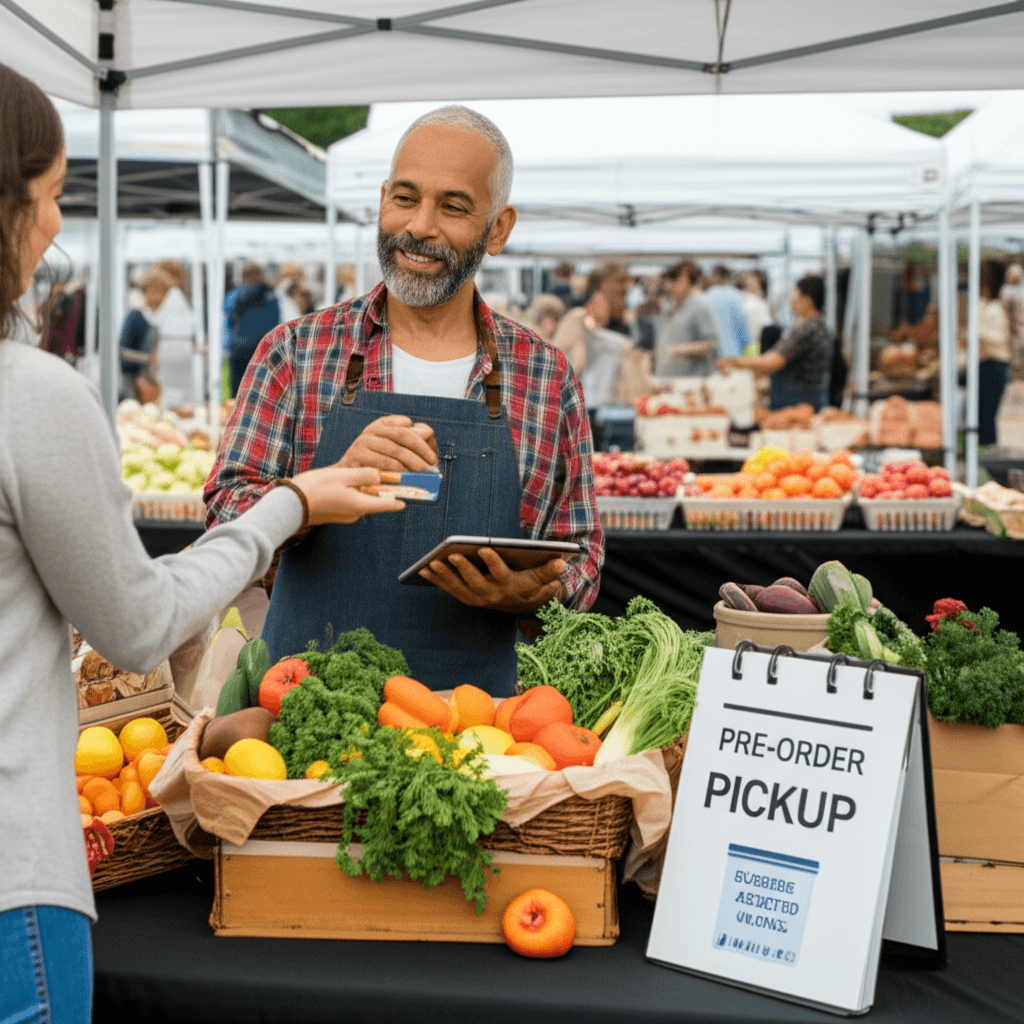
Why Go Digital? The Benefits of Online Pre-Orders
Before diving into the “how,” it’s essential to understand the “why.” Embracing online pre-orders with digital payment options offers a multitude of advantages:
- Increased Sales and Reach: Customers can browse and purchase items from the comfort of their homes, expanding your market’s reach beyond those who can physically attend on market days. This is particularly beneficial for busy individuals or those with mobility challenges.
- Reduced Food Waste: Pre-orders allow vendors to gauge demand more accurately, leading to better inventory management and a significant reduction in unsold produce.
- Improved Customer Convenience: No more fumbling for cash or worrying about having exact change. Customers can secure their favorite items in advance, guaranteeing availability and saving time at the market.
- Enhanced Vendor Efficiency: Vendors can prepare orders in advance, reducing checkout times on market days and allowing them to focus more on customer interaction and sales.
- Data and Analytics: Online platforms can provide valuable insights into customer purchasing habits, popular products, and peak ordering times, helping markets and vendors make informed decisions.
- Building a Community: An online presence can foster a stronger connection with your customer base, allowing for easy communication about market updates, special offerings,, and vendor spotlights.
Key Steps to Implementing Online Pre-Orders and Credit Card Payments
Transitioning to online payments might seem daunting, but with the right approach, it’s an achievable goal. Here’s a breakdown of the essential steps:
1. Choose the Right E-commerce Platform or Solution:
This is the cornerstone of your online operation. Several options cater to the unique needs of farmers markets:
- Dedicated Farmers Market Software: Platforms like Local Food Marketplace, Barn2Door, or Market Wagon are specifically designed for farmers markets and food hubs. They often include features for vendor management, order aggregation, and payment processing. These platforms are typically user-friendly for both organizers and vendors.
- General E-commerce Platforms with Payment Gateways: If you have a smaller market or a more tech-savvy vendor base, you might consider platforms like Shopify, Square Online, or Etsy. These platforms offer robust e-commerce functionalities and integrate with various payment processors. You might need to adapt them to fit the market’s structure.
- Point-of-Sale (POS) Systems with Online Ordering: Many modern POS systems, such as Square or Shopify POS, offer integrated online store builders and payment processing. This can be a seamless solution if your vendors already use these systems for in-person sales.
When selecting a platform, consider:
- Ease of Use: For both market organizers and individual vendors.
- Transaction Fees: Understand the cost associated with each sale.
- Features: Does it support pre-orders, recurring orders, customizable product options, and delivery/pickup scheduling?
- Scalability: Can it grow with your market?
- Customer Support: Is reliable assistance available when needed?
2. Integrate a Reliable Payment Gateway:
Once you have a platform, you’ll need to connect it to a payment gateway that allows you to accept credit card payments. Popular and trusted options include:
- Stripe: A widely used and developer-friendly payment processor that integrates with most e-commerce platforms. It offers competitive rates and robust security features.
- Square: Known for its user-friendly interface and comprehensive POS solutions, Square also offers online payment processing that integrates well with its ecosystem.
- PayPal: A familiar name for many consumers, PayPal offers a secure way to accept online payments and can be integrated into many online stores.
- Authorize.net: A long-standing and secure payment gateway often used by businesses requiring advanced fraud protection.
Ensure your chosen payment gateway is PCI compliant to protect sensitive customer data.
3. Develop Clear Pre-Order Policies and Procedures:
Communication is key to a smooth online pre-order system. Establish and clearly communicate:
- Order Deadlines: When do pre-orders close for each market day?
- Pickup Instructions: Where and when can customers pick up their pre-ordered items? Designate a clear pickup zone at the market.
- Cancellation and Refund Policies: What happens if a customer needs to cancel or if an item is unavailable?
- Minimum Order Requirements (if any): Some markets might have minimums for pre-orders.
- Contact Information: How can customers reach out with questions?
4. Onboard and Train Your Vendors:
This is a critical step for successful implementation.
- Educate: Explain the benefits of online pre-orders and how the chosen platform will work.
- Provide Training: Offer workshops, tutorials, or one-on-one assistance to help vendors set up their online shops, list their products, and manage orders.
- Offer Support: Be available to answer their questions and troubleshoot any issues they encounter.
- Start Small: Consider a pilot program with a few enthusiastic vendors before rolling it out to the entire market.
5. Market Your New Online Pre-Order System:
Once everything is set up, let your customers know!
- Website and Social Media: Prominently feature information about online pre-orders on your farmers market website and social media channels.
- Email Newsletters: Send out dedicated emails announcing the new feature and explaining how to use it.
- Signage at the Market: Display clear signage at the market encouraging customers to pre-order for future visits.
- Vendor Promotion: Encourage vendors to promote the online ordering option to their existing customer base.
6. Streamline the Pickup Process:
The in-person pickup needs to be efficient.
- Dedicated Pickup Area: Designate a clear and well-marked pickup station at the market.
- Order Organization: Vendors should have a system for organizing pre-orders (e.g., by customer name, order number).
- Staffing: Ensure sufficient staff or volunteers are available to manage the pickup flow.
By following these steps, farmers markets can successfully embrace online pre-ordering and credit card payments, opening up new avenues for growth, convenience, and community engagement.
Frequently Asked Questions (FAQ):
Q1: What are the typical transaction fees for accepting credit card payments online for farmers markets?
Transaction fees can vary depending on the payment gateway and e-commerce platform you choose. Generally, you can expect fees to range from 2.9% + $0.30 per transaction for most popular providers like Stripe, Square, and PayPal. Some platforms designed specifically for farmers markets might have different fee structures, including monthly subscription fees or tiered rates based on sales volume. It’s crucial to compare the fees of different providers to find the most cost-effective solution for your market and its vendors.
Q2: How can we ensure the security of customer credit card information when accepting payments online?
Security is paramount. When accepting credit card payments online, you must partner with a PCI DSS (Payment Card Industry Data Security Standard) compliant payment gateway. Reputable gateways like Stripe, Square, and Authorize.net adhere to these strict security standards, which involve encryption, secure data storage, and regular security audits. Additionally, your chosen e-commerce platform should also have robust security measures in place to protect customer data. Regularly update your platform’s software and educate vendors on best practices for handling customer information.
Q3: What if some of our vendors are not tech-savvy and struggle with online ordering platforms?
This is a common concern. The key is to provide comprehensive support and training. Offer in-person workshops, video tutorials, and dedicated one-on-one assistance to help less tech-savvy vendors navigate the platform. Consider using a platform that is known for its user-friendliness and offers excellent customer support. You might also consider a phased rollout, starting with a few willing vendors and gradually expanding as others gain confidence. For vendors who absolutely cannot manage it, consider a centralized market management system where a coordinator can help them manage their online presence.
[web_stories title=”true” excerpt=”false” author=”false” date=”true” archive_link=”true” archive_link_label=”” circle_size=”150″ sharp_corners=”false” image_alignment=”left” number_of_columns=”1″ number_of_stories=”5″ order=”DESC” orderby=”post_title” view=”carousel” /]

Comment