
Best Commercial Auto Insurance for a Single Owner-Operator Truck
Indotribun.id – Best Commercial Auto Insurance for a Single Owner-Operator Truck. Being a single owner-operator truck driver is a rewarding but demanding profession. You’re your own boss, responsible for every aspect of your business, from finding loads to maintaining your rig. One of the most crucial responsibilities is securing the right commercial auto insurance. Without adequate coverage, a single accident could wipe out your savings and put you out of business. Navigating the complex world of commercial truck insurance can be overwhelming, but understanding your needs and available options is essential. This article will guide you through the key considerations and help you find the best commercial auto insurance for your single owner-operator truck.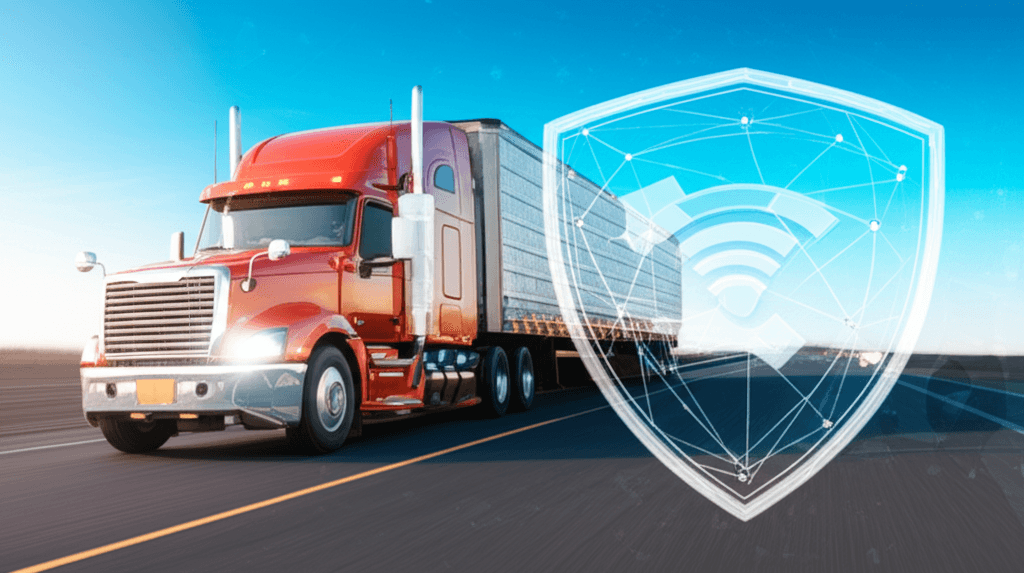
Understanding Your Commercial Auto Insurance Needs
Before you start shopping for insurance, it’s vital to understand the types of coverage you’ll likely need. The specific requirements will vary depending on the type of freight you haul, the routes you travel, and the regulations of the states you operate in. Here are the core components:
- Primary Liability: This is the cornerstone of your coverage. It protects you if you’re at fault in an accident that causes bodily injury or property damage to others. The Federal Motor Carrier Safety Administration (FMCSA) mandates minimum liability coverage, typically ranging from $750,000 to $1,000,000 for most general freight. However, if you haul hazardous materials, you’ll need significantly higher limits. Consider that medical costs and legal settlements can be substantial, so opting for higher limits than the minimum is generally a wise decision.
- Physical Damage: This coverage protects your truck from damage caused by accidents, collisions, vandalism, theft, fire, or other covered perils. It usually includes two components:
- Collision Coverage: Pays for damage to your truck regardless of who is at fault in an accident.
- Comprehensive Coverage: Pays for damage from incidents other than collisions, like fire, theft, or vandalism.
The amount of physical damage coverage you need should reflect the actual cash value (ACV) of your truck.
- Motor Truck Cargo: If you haul goods for others, this coverage protects you against financial loss if the cargo you’re hauling is damaged, lost, or stolen while in your care, custody, or control. The required amount of cargo insurance depends on the value of the typical loads you carry.
- Uninsured/Underinsured Motorist (UM/UIM): This coverage protects you if you’re involved in an accident with a driver who doesn’t have insurance or has insufficient insurance to cover your damages. It can cover your medical expenses, lost wages, and damage to your truck.
- Bobtail Insurance: This coverage applies when you’re driving your truck without a load, either before picking up a load or after dropping one off, but not under dispatch.
- Non-Trucking Liability Insurance: Similar to bobtail, but typically covers driving for personal use when not under dispatch.
Factors Affecting Your Insurance Premiums
Several factors influence the cost of your commercial auto insurance. Understanding these factors can help you manage your premiums:
- Driving Record: A clean driving record with no accidents or violations is the single most significant factor in securing lower rates.
- Truck Type and Value: The make, model, year, and value of your truck will impact the premium. Newer, more expensive trucks typically cost more to insure.
- Cargo Type: Hauling hazardous materials or high-value cargo will result in higher premiums.
- Coverage Limits and Deductibles: Higher coverage limits and lower deductibles will increase your premium, while lower coverage limits and higher deductibles will decrease it. However, carefully consider your risk tolerance before opting for lower coverage.
- Location: Insurance rates vary significantly by state and even by zip code. Areas with higher accident rates or higher rates of theft generally have higher premiums.
- Years of Experience: More years of experience driving commercially can often lead to lower rates.
- Credit Score: In many states, insurance companies can use your credit score as a factor in determining your premium.
- Radius of Operation: Local or short-haul routes may have lower premiums compared to long-haul, cross-country routes.
Finding the Best Insurance Provider
- Independent Insurance Agents: Work with an independent insurance agent who specializes in commercial trucking insurance. They can compare quotes from multiple insurance companies to find the best coverage at the most competitive price.
- Online Quotes: Utilize online quote comparison tools to get a general idea of pricing, but always follow up with an agent to ensure you’re getting the right coverage.
- Reputation and Financial Stability: Research the insurance company’s reputation and financial stability. Check their ratings with organizations like A.M. Best and Standard & Poor’s.
- Customer Service: Choose an insurance company with a reputation for excellent customer service. You want to be able to reach them quickly and easily if you have a claim or need assistance.
Tips for Lowering Your Insurance Costs:
- Maintain a Clean Driving Record: Practice safe driving habits and avoid accidents and violations.
- Increase Your Deductible: A higher deductible can significantly lower your premium, but make sure you can afford to pay the deductible out-of-pocket if you have a claim.
- Bundle Your Insurance: If you have other insurance needs, such as home or personal auto insurance, consider bundling them with your commercial auto insurance for potential discounts.
- Pay Annually: Some insurance companies offer discounts for paying your premium annually instead of monthly.
- Shop Around Regularly: Insurance rates can change over time, so it’s a good idea to shop around and compare quotes from different companies every year.
Choosing the best commercial auto insurance for your single owner-operator truck is a critical decision that requires careful consideration. By understanding your coverage needs, the factors that affect your premiums, and how to find the right insurance provider, you can protect your business and your livelihood. Don’t rush the process; take the time to research your options and make an informed decision.
FAQ:
- Q: How much commercial auto insurance do I need as an owner-operator?
- A: The minimum liability coverage is dictated by the FMCSA and depends on the type of freight you haul. However, $1,000,000 is a commonly recommended minimum for general freight. You’ll also need physical damage coverage sufficient to cover the replacement cost of your truck, and cargo insurance if you haul goods for others.
- Q: What is the difference between bobtail and non-trucking liability insurance?
- A: Both cover you when you’re not under dispatch. Bobtail typically covers you when driving without a trailer attached, while non-trucking liability often covers personal use, such as going to the grocery store.
- Q: Can I get commercial truck insurance with a bad driving record?
- A: It’s more challenging and expensive, but it’s usually possible. You may need to work with a specialized insurance provider that caters to high-risk drivers. Improving your driving record over time will eventually lead to lower rates.
[web_stories title=”true” excerpt=”false” author=”false” date=”true” archive_link=”true” archive_link_label=”” circle_size=”150″ sharp_corners=”false” image_alignment=”left” number_of_columns=”1″ number_of_stories=”5″ order=”DESC” orderby=”post_title” view=”carousel” /]

As an experienced entrepreneur with a solid foundation in banking and finance, I am currently leading innovative strategies as President Director at my company. Passionate about driving growth and fostering teamwork, I’m dedicated to shaping the future of business.






Comment