
Integrating Payments: How to Accept Credit Card Payments Online in a Custom Mobile App
Indotribun.id – Integrating Payments: How to Accept Credit Card Payments Online in a Custom Mobile App. In today’s mobile-first world, a custom mobile app is a powerful tool for businesses to connect with customers. But without a seamless, secure payment system, even the most innovative app can fall short. Accepting credit card payments directly within your custom mobile app is no longer a luxury; it’s a necessity for driving conversions, building trust, and expanding your reach. This guide will walk you through the essential steps and considerations for integrating online payment capabilities into your bespoke mobile application.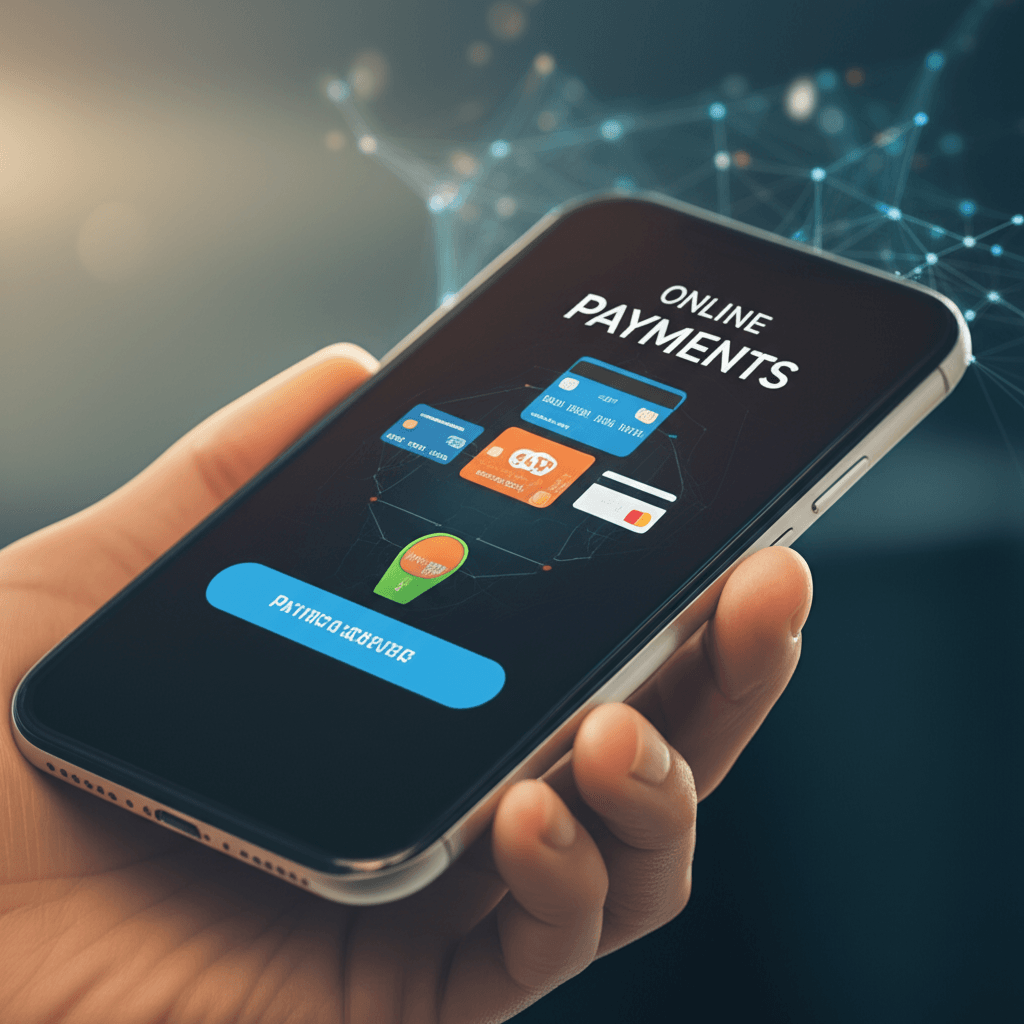
The Imperative of Seamless Mobile Payments
Mobile commerce continues its meteoric rise, with users expecting instant, intuitive, and secure transaction experiences. A clunky, slow, or untrustworthy payment process is a primary cause of cart abandonment. For a custom mobile app, integrating a robust payment solution means:
- Increased Conversion Rates: A smooth checkout reduces friction, encouraging users to complete purchases.
- Enhanced User Experience: Keeping users within your app for the entire transaction provides a cohesive and branded experience.
- Boosted Trust and Credibility: Professional payment integration signals reliability and security to your users.
- Global Reach: Many payment gateways support multiple currencies and international payment methods, opening your app to a global audience.
The Foundation: Choosing Your Payment Gateway
The payment gateway is the central component that securely processes credit card transactions between your app and the bank. Selecting the right one is critical. Consider the following factors:
- Reliability and Uptime: Your payment system must be available 24/7.
- Security Features: Look for robust fraud detection, tokenization, and PCI DSS compliance.
- Supported Payment Methods: Does it accept major credit cards (Visa, Mastercard, Amex, Discover), digital wallets (Apple Pay, Google Pay), and potentially local payment options?
- Pricing Structure: Understand transaction fees, monthly fees, and any hidden costs.
- Developer Tools (APIs/SDKs): How easy is it to integrate? Are the documentation and support comprehensive?
- Global Reach: If you plan to sell internationally, ensure the gateway supports multi-currency processing and international acquiring.
- Customer Support: Responsive support is invaluable when issues arise.
Leading choices often include Stripe, Braintree (a PayPal service), and Square, known for their developer-friendly tools and comprehensive features. Each offers specific advantages, so thorough research based on your app’s unique needs is essential.
Integrating with APIs and SDKs
Once you’ve chosen a payment gateway, the technical integration begins. Most gateways offer two primary methods for mobile apps:
- Software Development Kits (SDKs): These are pre-built libraries provided by the payment gateway, specifically designed for mobile platforms (iOS and Android). SDKs significantly simplify the integration process by handling many complexities, including:
- Tokenization: Securely converting sensitive credit card details into a non-sensitive token, which is then passed to your backend server and the payment gateway. This is crucial for reducing your PCI DSS scope.
- UI Elements: Some SDKs offer pre-built UI components for card entry, which can accelerate development and ensure compliance.
- Encryption: Securely encrypting data during transmission.
SDKs are generally the recommended approach for custom mobile apps due to their ease of use and inherent security advantages.
- Application Programming Interfaces (APIs): Direct API integration offers maximum control over the user experience and backend logic. With APIs, your app communicates directly with the gateway’s servers. While this provides greater flexibility, it also means your development team will need to handle more of the security and compliance aspects directly, which can increase complexity and PCI DSS scope. For mobile apps, APIs are often used for server-side operations (e.g., creating charges using tokens received from the client-side SDK) rather than directly collecting card data from the app user.
The typical workflow involves your mobile app collecting payment details (often via an SDK), sending them securely to the payment gateway which tokenizes the data, and then passing that token to your app’s backend server. Your backend server then uses this token to initiate the actual payment transaction with the payment gateway, receiving a success or failure response.
Prioritizing Security and PCI DSS Compliance
Security is paramount when handling financial data. Non-compliance can lead to severe penalties, data breaches, and irreparable damage to your reputation. The Payment Card Industry Data Security Standard (PCI DSS) is a set of security standards designed to ensure that all companies that process, store, or transmit credit card information maintain a secure environment.
For custom mobile apps, achieving PCI DSS compliance can be simplified by:
- Tokenization: As mentioned, this is your best friend. By using an SDK to tokenize card data directly on the user’s device before it ever reaches your servers, you drastically reduce your PCI DSS scope. Your app and backend only handle non-sensitive tokens, not raw card numbers.
- SSL/TLS Encryption: Ensure all communication between your app, your backend, and the payment gateway is encrypted using strong SSL/TLS protocols.
- Fraud Detection Tools: Leverage the fraud prevention features offered by your chosen payment gateway. These often include address verification systems (AVS), CVV checks, and machine learning algorithms to detect suspicious transactions.
- Regular Security Audits: Conduct periodic security audits and penetration testing of your app and backend infrastructure.
- Never Store Sensitive Data: Your app and backend should never store unencrypted credit card numbers, CVVs, or expiration dates.
Crafting an Exceptional User Experience (UX)
Even with robust security, a poor user experience can derail conversions. For mobile payments, focus on:
- Simplicity and Clarity: Minimize the number of steps. Use clear labels and instructions.
- Mobile-First Design: Optimize input fields for mobile keyboards, use large, tappable buttons, and ensure responsive layouts.
- Error Handling: Provide immediate, clear, and helpful feedback for any errors (e.g., “Invalid card number,” “Please check your expiry date”).
- Autofill and Stored Cards: Allow users to securely store card details for future purchases (with their explicit consent), and leverage autofill features where possible.
- Digital Wallets: Integrate Apple Pay and Google Pay. These offer one-tap payment options, significantly speeding up the checkout process and leveraging biometric authentication for enhanced security and convenience.
Testing and Deployment
Thorough testing is non-negotiable. Utilize the payment gateway’s sandbox or test environment to simulate transactions without real money. Test every possible scenario: successful payments, declined cards, invalid details, network errors, and different card types. After rigorous testing, consider a phased rollout or A/B testing if possible, monitoring performance and user feedback closely.
Integrating credit card payments into your custom mobile app is a complex but rewarding endeavor. By carefully selecting a payment gateway, leveraging SDKs for secure tokenization, prioritizing PCI DSS compliance, and designing an intuitive user experience, you can unlock a powerful revenue stream and provide a seamless, trustworthy experience for your users. Plan meticulously, execute diligently, and watch your mobile app thrive.
FAQ
1. What is PCI DSS and why is it important for my mobile app?
PCI DSS (Payment Card Industry Data Security Standard) is a set of security standards designed to ensure that all companies that process, store, or transmit credit card information maintain a secure environment. For your mobile app, it’s crucial because handling credit card data without compliance can lead to severe penalties, data breaches, and loss of customer trust. Using a payment gateway’s SDK with tokenization significantly reduces your PCI DSS scope, as your app never directly handles sensitive card details.
2. Should I use an API or an SDK for mobile app payment integration?
For most custom mobile apps, using a payment gateway’s SDK (Software Development Kit) is the recommended approach. SDKs simplify integration, provide pre-built components for a smoother user experience, and critically, help manage PCI DSS compliance by securely tokenizing card data directly on the user’s device. While direct API integration offers more control, it also places a greater burden on your development team for security and compliance, making it generally more suitable for server-side operations or very specific, high-control scenarios.
3. Can I accept international payments in my custom mobile app?
Yes, most modern payment gateways are designed to handle international payments. When choosing a gateway, look for features like multi-currency support (allowing customers to pay in their local currency), international acquiring capabilities (processing transactions from different countries), and support for various international payment methods beyond just credit cards. Integrating these features expands your app’s market reach significantly.

As an experienced entrepreneur with a solid foundation in banking and finance, I am currently leading innovative strategies as President Director at my company. Passionate about driving growth and fostering teamwork, I’m dedicated to shaping the future of business.




Comment