
What is Personal Injury Protection (PIP) in No-Fault States?
Indotribun.id – What is Personal Injury Protection (PIP) in No-Fault States? Navigating the aftermath of a car accident can be overwhelming, especially when grappling with medical bills and lost wages. In certain regions, known as “no-fault states,” a specific type of insurance coverage called Personal Injury Protection (PIP) steps in to simplify this process. PIP is a crucial component of auto insurance in these states, designed to ensure that accident victims receive prompt medical care and compensation for other related losses, regardless of who was at fault for the collision.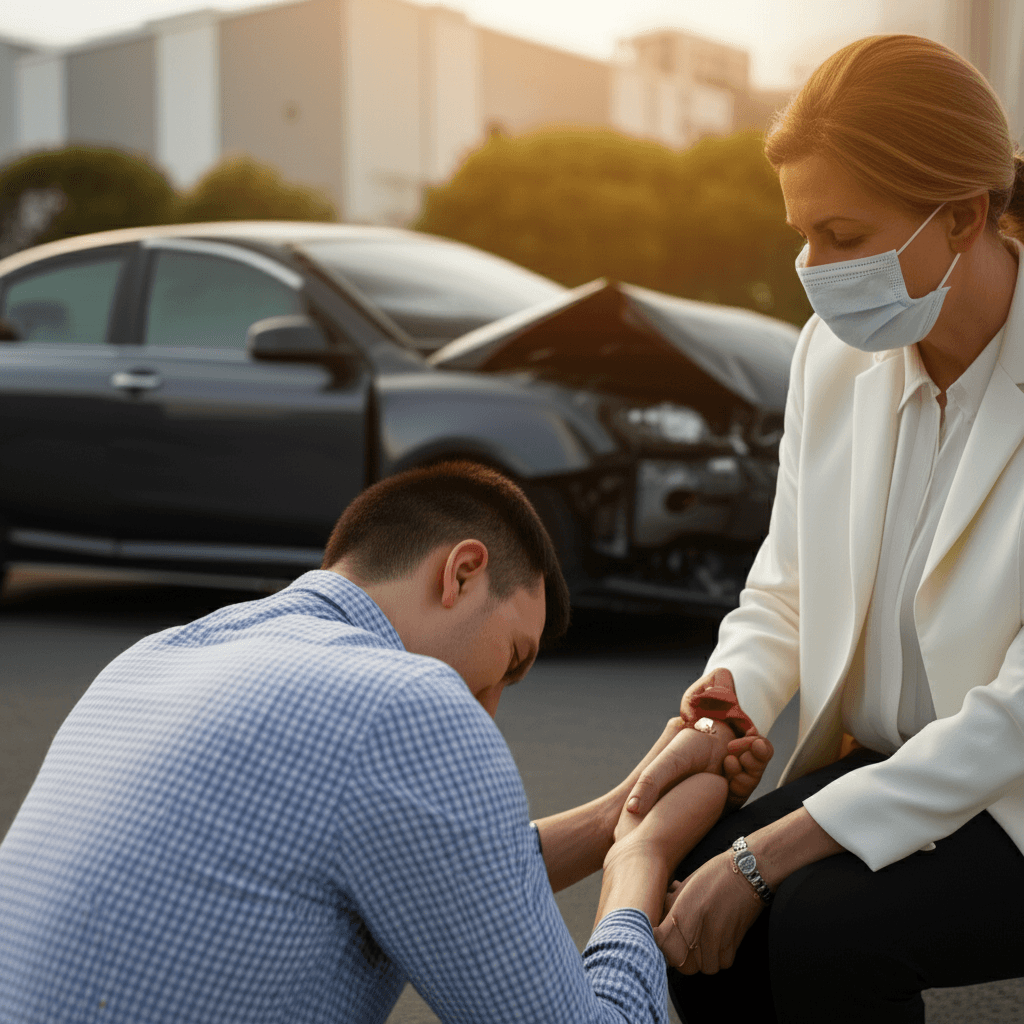
Understanding the No-Fault System
Before diving deeper into PIP, it’s essential to grasp the concept of a no-fault system. In states operating under this model, drivers are generally required to file claims with their own insurance company for injuries sustained in an accident, rather than pursuing a claim against the at-fault driver’s insurer. This system aims to streamline the claims process, reduce litigation, and ensure quicker access to benefits for injured parties. The primary mechanism through which these benefits are delivered is Personal Injury Protection.
What Does PIP Cover?
Personal Injury Protection is a broad form of coverage designed to address a range of expenses incurred as a direct result of an auto accident. Its primary purpose is to cover the policyholder and their passengers, and sometimes even pedestrians or cyclists struck by the insured vehicle. Key areas of coverage typically include:
- Medical Expenses: This is the cornerstone of PIP coverage. It pays for reasonable and necessary medical treatment related to the accident. This can include ambulance services, emergency room visits, hospital stays, doctor appointments, surgeries, prescription medications, rehabilitation, physical therapy, chiropractic care, and even dental work if teeth were injured. The goal is to cover all costs associated with recovery, up to the policy limits.
- Lost Wages: If an injury prevents you from working, PIP can compensate you for a portion of the income you lose. This is particularly vital for individuals who are self-employed or work hourly, as it helps maintain financial stability during recovery. There are often limits on the percentage of wages covered and the maximum amount per week or month.
- Essential Services (Replacement Services): Beyond medical bills and lost income, accidents can disrupt daily life by making it impossible to perform routine household tasks. PIP can cover the cost of hiring someone to perform “essential services” that you can no longer do due to your injuries. This might include child care, house cleaning, lawn maintenance, or even transportation services.
- Funeral Expenses: In the tragic event that an accident results in a fatality, PIP can provide coverage for funeral and burial expenses, offering some financial relief to grieving families.
- Rehabilitation Costs: This can overlap with medical expenses but specifically refers to long-term care, adaptive equipment, and therapies aimed at helping the injured party regain functional abilities and improve their quality of life after a severe injury.
It’s important to note that PIP is primarily for personal injuries, not property damage. Damage to your vehicle or other property would typically be covered by collision or property damage liability insurance.
Who is Covered by PIP?
PIP coverage extends beyond just the policyholder. Generally, it covers:
- The policyholder: The named insured on the policy.
- Family members: Any relatives residing in the policyholder’s household.
- Passengers: Individuals riding in the insured vehicle at the time of the accident.
- Permissive users: Anyone driving the insured vehicle with permission.
- Pedestrians and cyclists: If they are struck by the insured vehicle.
The specifics can vary by state and policy, but the intent is to provide a broad safety net for individuals impacted by an accident involving the insured vehicle.
Benefits and Limitations of PIP
The primary benefit of PIP is its “no-fault” nature, which expedites the claims process. Because fault doesn’t need to be determined to access benefits, injured parties can receive necessary medical treatment and financial support much faster than in tort (at-fault) states, where litigation can drag on for months or years. This quick access to care is crucial for optimal recovery.
However, PIP also has limitations. Each policy comes with a maximum coverage limit, which can vary significantly by state and the specific policy purchased. Once these limits are reached, the injured party may need to rely on their health insurance or, if their injuries are severe enough to meet a state’s “serious injury threshold,” they may then be able to step outside the no-fault system and sue the at-fault driver for additional damages like pain and suffering.
Another point of variation is the “deductible” or “co-pay” for PIP claims, similar to health insurance. Some states also allow drivers to choose lower PIP coverage amounts in exchange for higher deductibles.
No-Fault States and PIP Requirements
Currently, a number of states operate under some form of a no-fault system, requiring drivers to carry PIP coverage. These typically include Florida, Hawaii, Kansas, Kentucky, Massachusetts, Michigan, Minnesota, New Jersey, New York, North Dakota, Pennsylvania, and Utah. Other states like Oregon and Delaware also have “add-on” PIP coverage, meaning it’s required but doesn’t restrict the right to sue. It’s crucial for drivers in these states to understand their specific state’s laws regarding minimum PIP requirements, available benefits, and the “serious injury threshold” that allows for personal injury lawsuits.
Personal Injury Protection (PIP) is a cornerstone of auto insurance in no-fault states, providing essential financial protection for medical expenses, lost wages, and other critical services following a car accident, regardless of who was at fault. While it streamlines the recovery process and ensures prompt care, understanding its coverage limits and how it interacts with the broader no-fault system is vital for all drivers in these regions. By providing a safety net that prioritizes swift assistance, PIP aims to reduce the financial and emotional burden on accident victims, allowing them to focus on healing and recovery.
FAQ
1. Is PIP the same as health insurance?
No, PIP is not the same as health insurance. While both cover medical expenses, PIP specifically covers injuries sustained in a car accident, regardless of fault, up to its policy limits. Health insurance typically has deductibles, co-pays, and may not cover accident-related lost wages or essential services like PIP does. In a no-fault state, PIP is usually the primary payer for accident-related medical bills, often before your health insurance kicks in.
2. What happens if my PIP limits are exhausted in a no-fault state?
If your medical expenses and other covered losses exceed your PIP policy limits, you may have a few options. Firstly, your personal health insurance would typically then become the primary payer for additional medical costs. Secondly, if your injuries meet your state’s “serious injury threshold” (which varies by state and can be defined by the severity of the injury, permanent impairment, or a specific dollar amount of medical bills), you may be able to step outside the no-fault system and file a lawsuit against the at-fault driver for additional damages, including pain and suffering, and further medical expenses or lost wages.
3. Does PIP cover damage to my car or property?
No, Personal Injury Protection (PIP) only covers personal injuries and related expenses (medical bills, lost wages, essential services) for you and your passengers. It does not cover damage to your vehicle or any other property involved in the accident. Coverage for vehicle damage would typically fall under your collision insurance (for damage to your own car) or the at-fault driver’s property damage liability insurance.

As an experienced entrepreneur with a solid foundation in banking and finance, I am currently leading innovative strategies as President Director at my company. Passionate about driving growth and fostering teamwork, I’m dedicated to shaping the future of business.






Comment